
India’s food regulator, the Food Safety and Standards Authority of India (FSSAI), has intensified enforcement of FSSAI food labelling rules, signalling a nationwide push to ensure that food labels and advertisements are clear, truthful, and scientifically accurate. The renewed compliance drive addresses rising concerns around misleading health claims, ambiguous product descriptions, unclear ingredient disclosure, misuse …
FSSAI Food Labelling Rules Tightened to Strengthen Consumer Protection
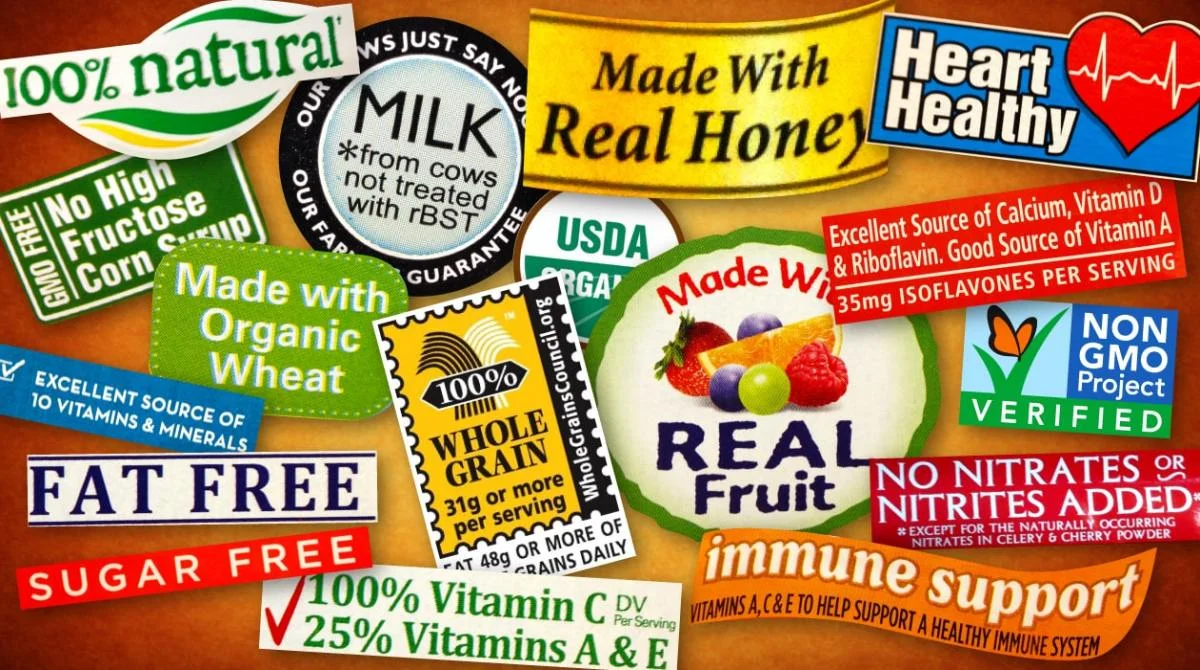
India’s food regulator, the Food Safety and Standards Authority of India (FSSAI), has intensified enforcement of FSSAI food labelling rules, signalling a nationwide push to ensure that food labels and advertisements are clear, truthful, and scientifically accurate.
The renewed compliance drive addresses rising concerns around misleading health claims, ambiguous product descriptions, unclear ingredient disclosure, misuse of medical terminology, and inaccurate product identity—issues that have become more visible as India’s packaged food sector rapidly expands.
Why Stronger Food Labelling Enforcement Was Needed
India’s packaged food and beverage market has grown significantly over the past decade, driven by:
- convenience and ready-to-eat foods
- health and wellness beverages
- nutraceuticals and functional foods
- online grocery and quick commerce platforms
- D2C food and FMCG brands
Alongside this growth, regulators observed increasing instances of loosely worded claims, exaggerated marketing language, and product names that overstate benefits. Strengthening FSSAI food labelling rules ensures that marketing narratives do not override regulatory truth or consumer rights.
Key Areas of Regulatory Focus
1. Accurate Product Identity
Under updated FSSAI food labelling rules, products must clearly state what they are—without ambiguity or exaggeration.
Examples include:
- only products derived from Camellia sinensis may be labelled as “tea”
- medical terms such as “ORS” cannot be used for regular beverages
- misleading descriptors that imply medical or therapeutic use may be restricted
This prevents confusion between conventional foods, specialty beverages, supplements, and medical-use products.
2. Truthful Health and Nutrition Claims
Brands must ensure that all claims are scientifically validated and regulatorily compliant. The framework prohibits:
- exaggerated nutritional benefits
- disease cure or prevention claims
- implied medical superiority
- presenting opinions as scientific facts
Misuse of health terminology is a key trigger for enforcement under FSSAI food labelling rules.
3. Clear Ingredient and Allergen Disclosure
Mandatory labelling information must be:
- clearly visible
- accurate and consistent
- compliant with prescribed formats
This is especially critical for allergens and ingredients affecting vulnerable consumer groups.
4. Shared Accountability Across the Supply Chain
Compliance responsibility applies to:
- manufacturers
- marketers and brand owners
- importers
- distributors
- e-commerce and quick-commerce platforms
Both physical packaging and digital listings must reflect the same accurate, compliant information.
Enforcement Mechanisms Strengthened
FSSAI is now leveraging multiple enforcement tools, including:
- structured inspections
- digital reporting systems
- consumer grievance platforms
- clearer legal interpretations
- coordinated state-level enforcement
Violations of FSSAI food labelling rules may lead to:
- product recalls
- monetary penalties
- licence suspension or cancellation
- prosecution in serious cases
Consumer Protection at the Core
The tightening of FSSAI food labelling rules places consumer interest at the centre of India’s food ecosystem by ensuring:
- informed purchase decisions
- transparency around nutrition and ingredients
- reduced exposure to misleading claims
- greater trust in packaged food brands
As Indian consumers become more health-conscious, regulators are ensuring that marketing narratives remain aligned with factual reality.
Impact on Food Brands and Startups
India’s fast-growing FMCG and D2C food ecosystem must now:
- review and substantiate all claims
- reassess packaging language
- update legal disclaimers
- align e-commerce listings with physical labels
Compliance, legal, and marketing teams will play a critical role in avoiding violations under FSSAI food labelling rules.
Alignment With Global Regulatory Standards
India’s renewed enforcement approach aligns its framework more closely with:
- European Union food labelling regulations
- US FDA labelling enforcement practices
- WHO guidelines on health and nutrition claims
The objective is not to restrict innovation, but to promote responsible and transparent communication.
Role of Courts and Legal Oversight
Recent judicial rulings—including restrictions on GM food sales and prohibitions on misuse of the term “ORS”—have reinforced the principle that:
- labels must reflect regulated definitions
- medical and technical terms cannot be casually applied
- consumer safety overrides branding creativity
Court interpretations continue to strengthen the application of FSSAI food labelling rules.
Key Takeaways
- FSSAI has strengthened enforcement of food labelling regulations
- Focus areas include product identity, claims accuracy, and ingredient clarity
- Misleading terminology may trigger recalls and penalties
- Rules apply across manufacturing, retail, and e-commerce
- Designed to enhance transparency and consumer trust
Conclusion
The stricter enforcement of FSSAI food labelling rules marks a mature step in India’s evolving food regulatory ecosystem. By insisting on truthful declarations, scientific accuracy, and clear product identity, regulators are protecting consumers while enabling responsible industry growth.
For food businesses, the message is clear:
Compliance is not a formality—it is a fundamental responsibility to the consumer.