In a major clarification affecting India’s booming herbal and wellness beverage market, the Food Safety and Standards Authority of India (FSSAI) has ruled that only beverages made from the Camellia sinensis plant — commonly known as true tea — can be labeled as “tea.” This ruling means products currently sold as: cannot legally use the …
Beverage Labeling Alert: Herbal Infusions Cannot Use the Word ‘Tea,’ Says FSSAI
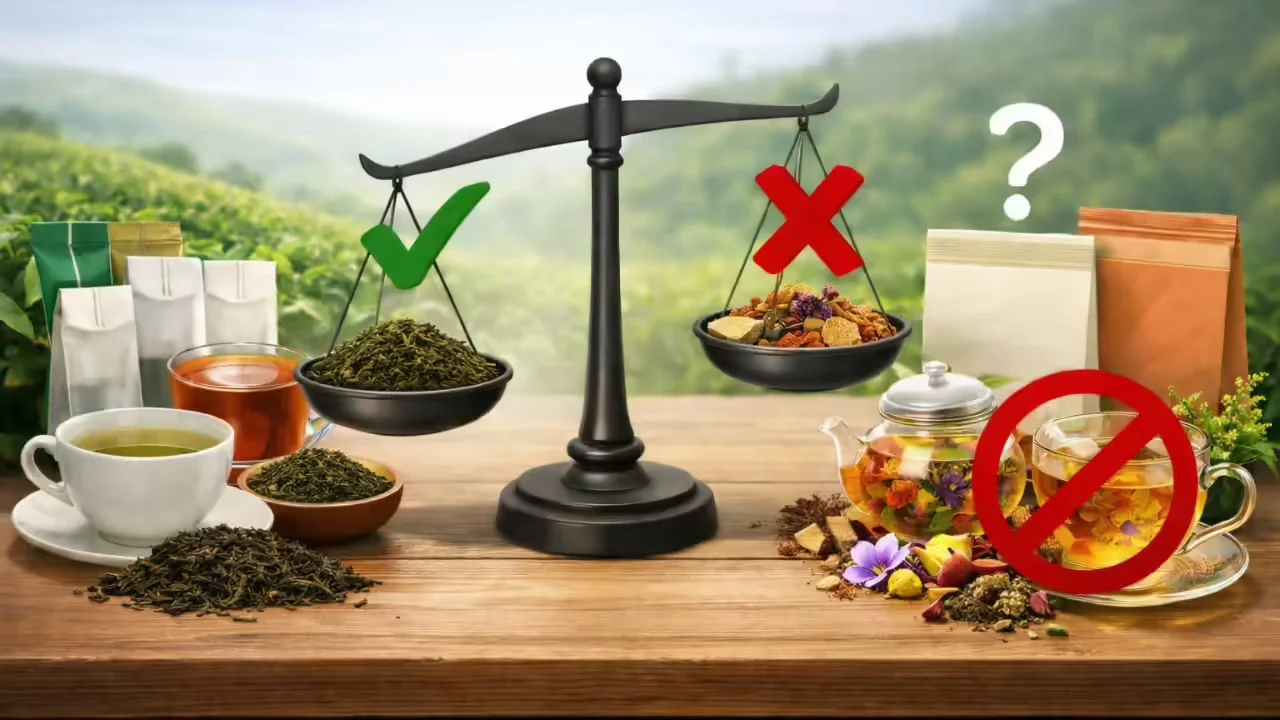
In a major clarification affecting India’s booming herbal and wellness beverage market, the Food Safety and Standards Authority of India (FSSAI) has ruled that only beverages made from the Camellia sinensis plant — commonly known as true tea — can be labeled as “tea.”
This ruling means products currently sold as:
- herbal tea
- detox tea
- slimming tea
- flower tea
- ayurvedic tea
cannot legally use the term “tea” on packaging or advertisements if they contain no Camellia sinensis leaves.
🍃 What Counts As “Tea” Under Indian Law?
According to FSSAI:
✔ True tea = made from Camellia sinensis
✔ Includes:
- black tea
- green tea
- oolong tea
- white tea
❌ NOT considered tea:
- chamomile
- lemongrass
- hibiscus
- tulsi
- ginger blends
- herbal infusions
Even if they are brewed similarly to tea —
they cannot be marketed as tea.
⚠️ Misbranding Warning for Food Businesses
FSSAI has clearly stated that labeling non-tea products as tea constitutes misbranding under the Food Safety and Standards Act, 2006.
This can lead to:
🚨 Product recall
🚨 Penalty or prosecution
🚨 Suspension of marketing claims
🚨 Stricter compliance inspections
The regulator has advised:
🛑 manufacturers
🛑 importers
🛑 distributors
🛑 marketers
🛑 e-commerce platforms
to update product labels, listings, and advertisements immediately.
🛍️ Impact on India’s Herbal Beverage Market
India’s herbal beverage industry — valued in thousands of crores — frequently uses the term “herbal tea” to attract health-conscious consumers.
Under the new guidance, brands may have to rename products as:
✔ herbal infusion
✔ tisane
✔ botanical drink
✔ flower infusion
✔ ayurvedic infusion
This prevents consumers from confusing herbal infusions with tea-leaf beverages.
🎯 Why Did FSSAI Issue This Clarification?
The regulator acted due to:
- Misleading marketing trends
- Consumer confusion
- Health claim exaggerations
- Incorrect categorization of products
The goal is to ensure clarity, authenticity, and correct product identity.
👥 Consumer Protection First
Tea is one of India’s most trusted beverages.
Mislabeling herbal drinks as tea may:
⚠️ mislead buyers
⚠️ influence purchase decisions
⚠️ affect therapeutic expectations
FSSAI believes clear labeling protects consumers and builds trust.
📦 What Food Business Operators Must Do Now
1️⃣ Review all product labels
→ Replace the word “tea” where required
2️⃣ Update e-commerce listings
→ Name & product category must match FSSAI norms
3️⃣ Modify advertisements
→ Digital → Print → Packaging → Influencer promotions
4️⃣ Train marketing & compliance teams
→ Avoid misleading terminology
🌐 Impact on Importers and D2C Brands
Imported herbal blends must also follow Indian standards — even if foreign packaging uses the term “tea.”
Failure to comply may result in:
- held shipments
- relabeling orders
- fines
This is especially relevant for:
📦 premium herbal brands
📦 wellness D2C startups
📦 ayurvedic nutraceutical companies
🧠 Did You Know?
The word “tisane” is the internationally recognized term for herbal infusions.
India may now see this term trending in packaging and marketing.
🗣️ Industry Reactions
Many health-drink manufacturers are now:
🔄 reviewing labels
📝 consulting legal teams
🎨 redesigning packaging
Some brands see the move as:
“A positive step to protect authenticity.”
Others warn of short-term marketing disruption.
⚖️ Legal Basis
The ruling stems from:
✔ Food Safety & Standards Act, 2006
✔ Labeling & Display Regulations, 2020
which prohibit:
❌ misleading product identity
❌ false claims
❌ misbranding
📊 SEO Summary — Key Takeaways
- FSSAI clarifies only Camellia sinensis beverages are tea
- Herbal drinks must not use the word tea
- Mislabeling = misbranding violation
- Companies must update packaging & ads
- Move protects consumer transparency
✅ Conclusion
India’s regulator has drawn a clear line between tea and herbal infusions, ensuring that consumers know exactly what they’re drinking — and brands maintain transparency in how they market wellness beverages.
This change may reshape branding across health-drink segments — but ultimately supports a more honest and informed market.