
The Food Safety and Standards Authority of India (FSSAI) has launched a new digital mechanism for FSSAI misleading food claims reporting, allowing consumers to directly flag false, deceptive, or exaggerated claims made on food packaging and advertisements. The reporting facility is available through FSSAI’s online complaint portal as well as its mobile application, making it …
FSSAI Enables Consumers to Report Misleading Food Claims Through Digital Platform
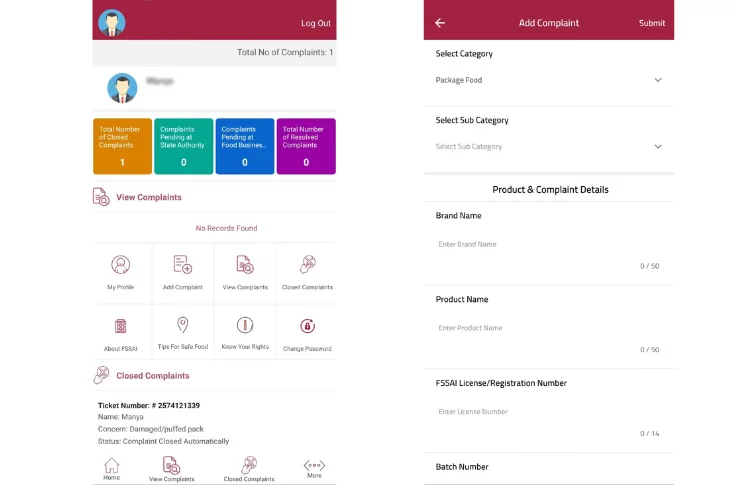
The Food Safety and Standards Authority of India (FSSAI) has launched a new digital mechanism for FSSAI misleading food claims reporting, allowing consumers to directly flag false, deceptive, or exaggerated claims made on food packaging and advertisements.
The reporting facility is available through FSSAI’s online complaint portal as well as its mobile application, making it easier for consumers to submit complaints quickly and transparently. The move comes amid rapid growth in health-focused foods, nutraceuticals, and functional beverages across India’s packaged food sector.
What Consumers Can Report
Under the FSSAI misleading food claims reporting system, consumers can submit complaints related to:
- misleading nutrition or health claims
- false or incomplete ingredient declarations
- deceptive or confusing packaging
- incorrect or prohibited labeling terminology
- exaggerated “organic,” “natural,” or “healthy” claims
- missing or unclear FSSAI licence information
To support investigations, consumers can upload:
- product photographs
- close-ups of labels
- store or e-commerce platform details
- screenshots of online listings or advertisements
Submitted complaints are automatically routed to the relevant state or district food safety authority.
Why FSSAI Introduced the Reporting Platform
FSSAI has repeatedly highlighted that misleading food labelling is a serious consumer protection and public health concern. Incorrect claims can:
- distort purchasing decisions
- create unrealistic health expectations
- mask actual nutritional content
- mislead children, elderly consumers, and those with medical conditions
The FSSAI misleading food claims reporting platform ensures greater public participation in market oversight and reinforces accountability across the food supply chain.
Part of a Wider Regulatory Crackdown
This initiative aligns with FSSAI’s broader effort to strengthen labelling discipline in India, including:
- banning misuse of medical terms such as “ORS”
- clarifying regulated definitions like “tea”
- enforcing mandatory nutritional disclosures
- tightening controls on health and immunity-related claims
FSSAI has made it clear that marketing narratives must not override regulatory definitions or scientific evidence.
How the Complaint Process Works
The FSSAI misleading food claims reporting process follows a simple digital flow:
- A consumer identifies a potentially misleading product or advertisement
- Logs into the FSSAI portal or mobile app
- Uploads images and product details
- Selects the nature of the violation
- Submits the complaint
Complaints are digitally tracked and escalated where necessary, improving transparency and response time.
Enforcement Actions Available to Authorities
Based on investigation findings, enforcement teams may:
- issue warnings or advisories
- mandate corrective labelling or advertising changes
- suspend or cancel product approvals
- impose monetary penalties
- initiate prosecution in serious or repeated violations
Repeat offenders may face stricter surveillance and regulatory scrutiny.
Impact on Food Brands and Businesses
The launch of FSSAI misleading food claims reporting significantly raises compliance expectations for:
- food manufacturers
- importers and distributors
- D2C food brands
- retailers and e-commerce platforms
Businesses must now:
- verify all marketing and health claims
- ensure scientific substantiation
- avoid unapproved or suggestive terminology
- align digital listings with physical packaging
Products marketed as “healthy,” “functional,” “natural,” or “immunity-boosting” are expected to face increased scrutiny.
Empowering the Consumer
The new system strengthens consumer rights by:
- providing a formal reporting channel
- increasing transparency in enforcement
- enabling crowdsourced market monitoring
- improving oversight across urban and rural markets
Consumers are now active participants in maintaining honesty within India’s food ecosystem.
Industry Response
Legal and compliance experts believe the FSSAI misleading food claims reporting platform will:
- improve industry-wide labelling standards
- discourage deceptive marketing practices
- enhance brand credibility
- strengthen long-term market discipline
At the same time, brands may need to invest more in internal regulatory and compliance capabilities.
Key Takeaways
- FSSAI launches digital platform to report misleading food claims
- Consumers can upload photos and product details
- Complaints routed directly to enforcement authorities
- Part of a nationwide push against deceptive labelling
- Strengthens consumer protection and transparency
Conclusion
The FSSAI misleading food claims reporting platform marks a major step forward in consumer-driven food regulation in India. By empowering citizens to flag deceptive practices, FSSAI is reinforcing a food marketplace built on verified science, honest communication, and strong consumer rights.
For food businesses, the message is unmistakable:
Accurate, compliant, and transparent labelling is no longer optional—it is essential.