Rajasthan hotel occupancy is operating close to peak levels across major tourist hubs including Jaipur, Udaipur, Jodhpur and Jaisalmer, driven primarily by sustained growth in domestic leisure travel and destination weddings. Hospitality executives report occupancy levels of 80–85 percent at many upscale and heritage hotels, particularly during long weekends and the winter travel season. This …
Rajasthan Hotel Occupancy Rises on Strong Domestic Travel Demand

Rajasthan hotel occupancy is operating close to peak levels across major tourist hubs including Jaipur, Udaipur, Jodhpur and Jaisalmer, driven primarily by sustained growth in domestic leisure travel and destination weddings.
Hospitality executives report occupancy levels of 80–85 percent at many upscale and heritage hotels, particularly during long weekends and the winter travel season. This momentum continues even as international tourist arrivals remain below historic pre-pandemic levels.
Domestic Travellers Drive the Recovery
Unlike earlier tourism cycles that relied heavily on European and long-haul international visitors, Rajasthan hotel occupancy is now being powered largely by Indian travellers.
Key demand drivers include:
- rising disposable income among urban households
- increased interest in heritage, cultural and experiential travel
- improved air and highway connectivity
- Rajasthan’s growing popularity as a wedding and corporate retreat destination
Weekend getaways, luxury staycations and bundled tour packages are further strengthening demand across leisure segments.
Hotels Optimise Pricing Amid Competitive Market
Despite strong Rajasthan hotel occupancy, operators are adopting a measured approach to pricing. With new supply entering the market, hotels are prioritising occupancy stability over aggressive tariff hikes.
Mid-market and boutique heritage hotels are performing particularly well, offering premium experiences at more accessible price points compared to metro luxury properties.
Revenue strategies currently focus on:
- steady yield optimisation
- maintaining a high occupancy base
- maximising food & beverage and event revenues
Destination Weddings Remain a Major Revenue Engine
Rajasthan has firmly cemented its position as India’s leading destination wedding market.
Hotels report:
- strong advance bookings for the winter wedding season
- long booking lead times
- higher spends on banqueting, décor and hospitality add-ons
This high-margin segment continues to act as a stabilising revenue pillar for upscale and palace hotels.
Foreign Tourist Arrivals Recover Gradually
International arrivals from Europe and North America are improving year-on-year but remain below historical highs due to:
- elevated airfare costs
- evolving global travel patterns
- continued economic uncertainty in key source markets
That said, luxury palace hotels continue to attract high-value international guests during peak cultural and festive seasons.
Outlook for 2026
Industry analysts remain optimistic about Rajasthan hotel occupancy over the next year, citing:
- continued strength in domestic leisure travel
- gradual acceleration of inbound tourism
- strong performance of mid-scale and heritage boutique hotels
- rising investments in greenfield developments and heritage conversions
Government tourism campaigns, established destination branding and India’s expanding middle-income traveller base continue to support long-term growth.
Key Takeaways
- Rajasthan hotel occupancy is averaging 80–85% during peak periods
- Domestic tourism is the primary growth engine
- Destination weddings are driving premium demand
- International arrivals are improving but remain below historic levels
- Hotels are prioritising yield stability over aggressive rate hikes
Why This Matters for the Foodservice Ecosystem
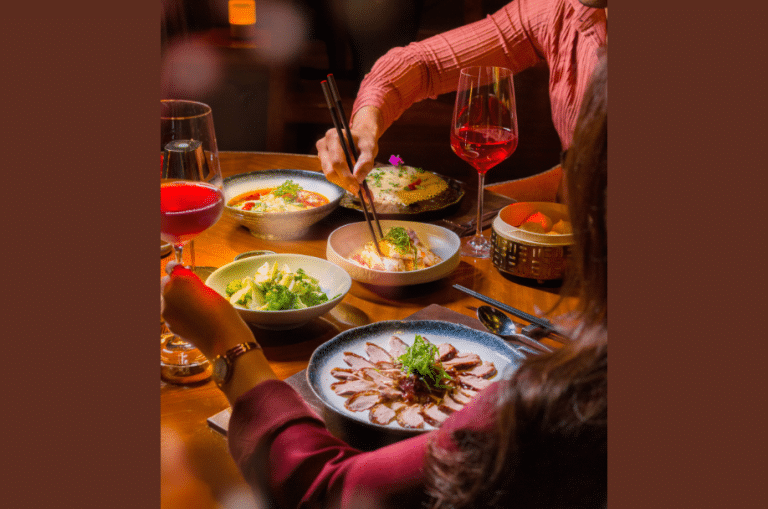
High Rajasthan hotel occupancy directly fuels growth in:
- banquet and wedding dining
- in-house restaurants and cafés
- institutional catering
- specialty and regional cuisine concepts
This positions Rajasthan as one of India’s most dynamic hospitality-led foodservice markets, offering strong opportunities for chefs, caterers, and F&B operators.